

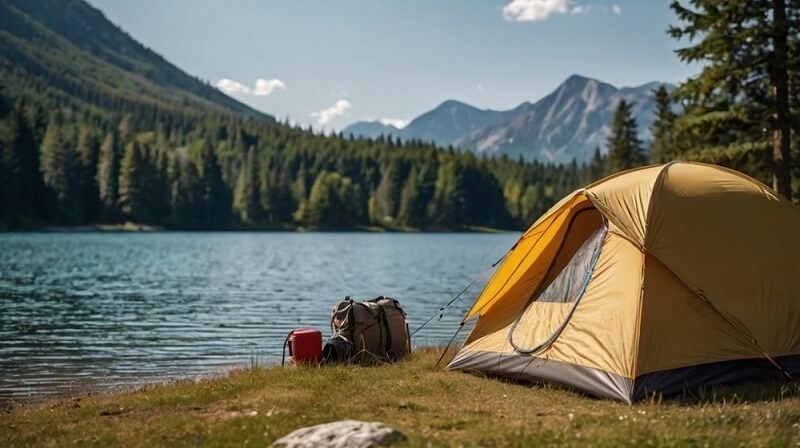
The Great Salt Lake is one of those places people talk about like it’s a myth. A massive lake in Utah that can look pink at sunset, smell a little salty and strange, and feel wide open in a way that makes the brain go quiet. It’s not a classic “pine trees and mountain stream” camping vibe. It’s something else. A little eerie. A little beautiful. And honestly, kind of magical when the light hits right.
If someone is planning camping near great salt lake, they should know one thing up front. This is not the place to show up unprepared and “figure it out.” Wind, bugs, and weather swings can turn a fun trip into a long night. But with a few smart choices, it can be an unforgettable weekend.
This guide breaks down where to camp, what to expect, and how to stay comfortable without overcomplicating the whole thing.
Choosing camping near great salt lake is really about deciding what kind of trip someone wants. Some people want quick access from Salt Lake City. Others want a quieter spot where they can watch the sun drop into the horizon and feel like they’re on another planet.
The best approach is simple: pick a campsite with the level of comfort needed, plan around wind and bugs, and arrive early enough to set up before dark. The views are worth it, but nobody enjoys building a tent in gusts while swatting invisible insects.
The lake is huge, flat, and open. There aren’t tall trees everywhere to block the wind. The shoreline can feel muddy or crusty depending on where someone is, and the smell can change based on water levels and season.
But that’s also why it’s special. The sunsets can look unreal. The sky feels wide. The silence is deeper than expected. And at night, the stars can be sharp and bright if the weather cooperates.
This is not “cute campground next to a river.” It’s more like nature showing off in a bold, dramatic way.
“Best” depends on what someone values: convenience, solitude, views, or amenities.
Some travelers prefer established campgrounds close to the lake’s recreation areas, while others choose nearby state parks or mountain campgrounds that still give access to the Great Salt Lake region without being right on the shoreline.
For visitors who want quick access to supplies, restaurants, and emergency backups, salt lake city campgrounds can be a practical choice. They make it easier to enjoy the area without worrying about being too far from basic needs.
For those chasing the most memorable scenery, the closer someone camps to open shoreline views, the more dramatic sunrise and sunset moments tend to feel.
Camping near the Great Salt Lake is different from camping in places like the Wasatch Mountains. It can feel more exposed and more intense.
Expect:
This is where what to know before camping at great salt lake matters. The environment is not difficult, but it does demand a little respect.
Let’s keep it real. The difference between a good trip and a miserable trip often comes down to small details.
Here are great salt lake camping tips that actually help:
Most campers also appreciate having a “backup comfort item,” like an extra blanket or a warm hoodie. Utah nights can surprise people, even when the day felt perfect.
Timing matters here more than people expect. The easiest seasons for most campers are typically spring and fall. Summer can be hot and buggy, especially around marshy areas, and winter can get brutally cold and windy.
So if someone is asking when to camp at great salt lake, the realistic answer is: go when nights are cool but not freezing, and when bugs are manageable. Early fall often feels like the sweet spot. Spring can also be great, but it depends on weather swings that year.
If someone has flexibility, avoid holiday weekends. Crowds, noise, and limited campsite availability can make the whole trip feel more stressful than it needs to be.
Packing for this area is about being prepared for wind, temperature changes, and comfort basics.
A simple packing checklist:
Also bring footwear that can handle mixed terrain. Shoreline areas can be muddy or crusty, and nobody wants wet shoes on a chilly night.
You Might Like: Salt Lake City Shopping Guide: From Malls to Local Boutiques
Many people assume the Great Salt Lake will be a normal swimming lake. It’s not that simple.
Water conditions can vary, and some areas may not be ideal for swimming due to salinity, algae blooms, or shoreline mud. If someone wants to float, they should research current conditions and choose safe access points. And they should absolutely bring clean water for rinsing off afterward. Salt sticks around.
This is where people usually want a clear answer. So here’s a helpful way to think about it.
Best camping near great salt lake depends on the vibe:
Choose campgrounds closer to the Salt Lake City area or established recreation areas. It helps to stay near services, especially for first trips.
Pick a spot with open views and less traffic. The lake’s best moments are usually early morning and sunset, when things feel calm.
Look for campgrounds with predictable facilities and space. Wind plus kids plus complicated setups can be stressful, so comfort helps.
Find a campsite that gives clear west-facing skies. The sunsets can look insane, and the shoreline textures add a unique mood to photos.
Here’s the second mention, spaced out: what to know before camping at great salt lake is mostly about accepting that conditions change quickly. Wind picks up out of nowhere. Bugs come and go. Temperatures drop fast after sunset.
The best campers here are the ones who stay flexible. If the wind is wild, they adjust the setup. If a planned activity feels too much, they swap it for a simple walk and a slow dinner. That kind of adaptability makes the trip feel easy.
Sometimes people want the lake experience without being fully remote. That’s where salt lake city campgrounds come in. They’re helpful for travelers who:
It’s a smart option for first-time campers who are still building confidence.
Here’s the second mention, spaced out: great salt lake camping tips are mostly about planning for discomfort before it shows up. Wind is common, so the tent needs to be secure. Bugs may appear, so repellent matters. Sunscreen matters too, because open shorelines can feel intense during the day.
If someone wants one simple rule, it’s this: set up camp like the wind is coming later, because it probably is.
Here’s the second mention, spaced out: when to camp at great salt lake is not just about weather, it’s also about crowd level. Weekdays are usually calmer. Early fall and late spring tend to be less chaotic than peak summer weekends.
Arriving earlier in the day also helps. It’s easier to choose a good spot, settle in, and enjoy the golden hour without rushing.
Read More: Solo Travel in Salt Lake County for Adventure Lovers
Here’s the second mention, spaced out: Best camping near great salt lake is less about the “perfect” campground and more about timing and expectations. If someone comes expecting a classic forest camping trip, they might feel disappointed. If they come expecting open skies, salty air, and dramatic views, they’ll probably love it. It’s a unique experience. That’s the point.
Yes, especially if someone chooses campgrounds with facilities and stays close to Salt Lake City. The main challenge is wind, so proper setup matters.
Most campers prefer spring or fall for milder temperatures and fewer bugs. Summer can be hot, and winter can be extremely cold and windy.
They should pack an insulated sleeping pad, warm layers, extra stakes for wind, and plenty of water. A headlamp and bug spray also help a lot.
This content was created by AI